The active ingredient
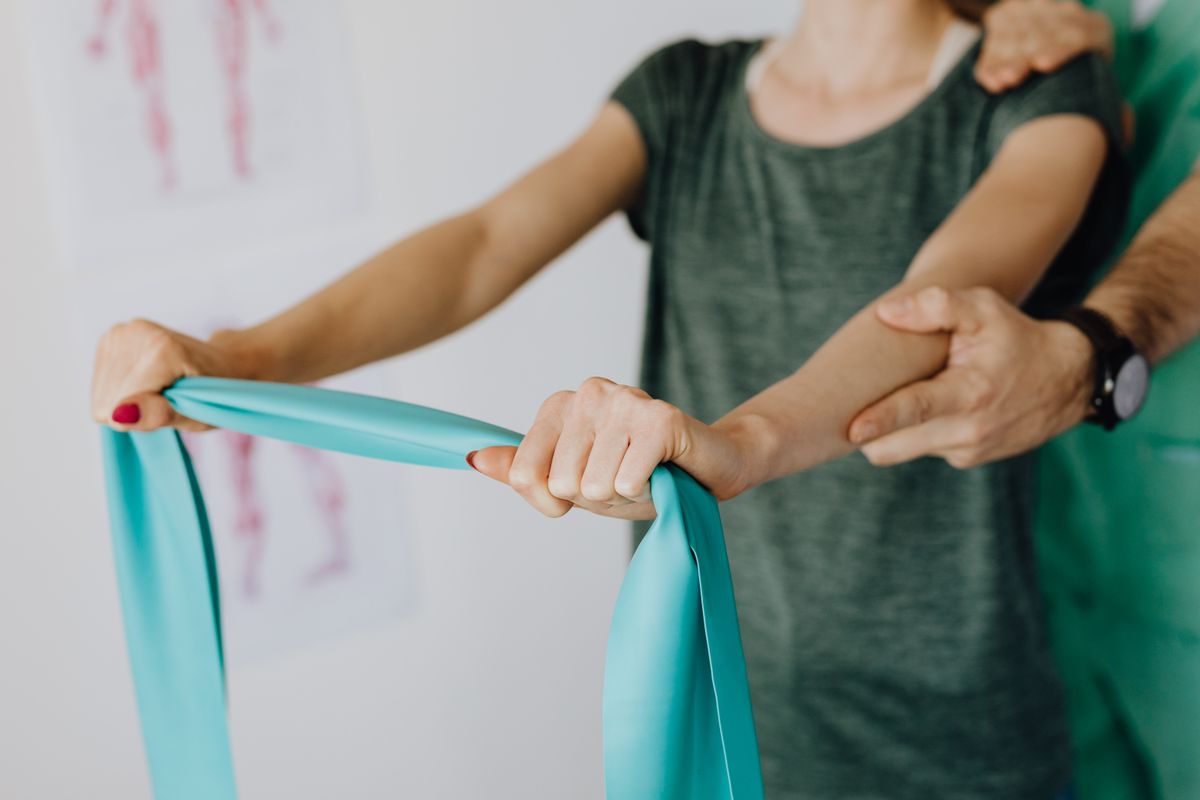
Strip any successful rehab program down to what actually produced the change and you'll almost always find the same thing: load, applied progressively, over weeks. Muscle responds to it by adding contractile tissue. Tendon responds by reorganizing and stiffening in the useful sense of the word. Bone responds by laying down density. No passive treatment produces those adaptations — they only come from asking the tissue to do slightly more than it's used to, then letting it adapt.
This is also why programs fail in both directions. Too little challenge and nothing adapts; you do your band exercises for months and stay fragile. Too much too fast and the tissue flares. The skill isn't picking exercises — it's picking doses.
Exercise is a prescription
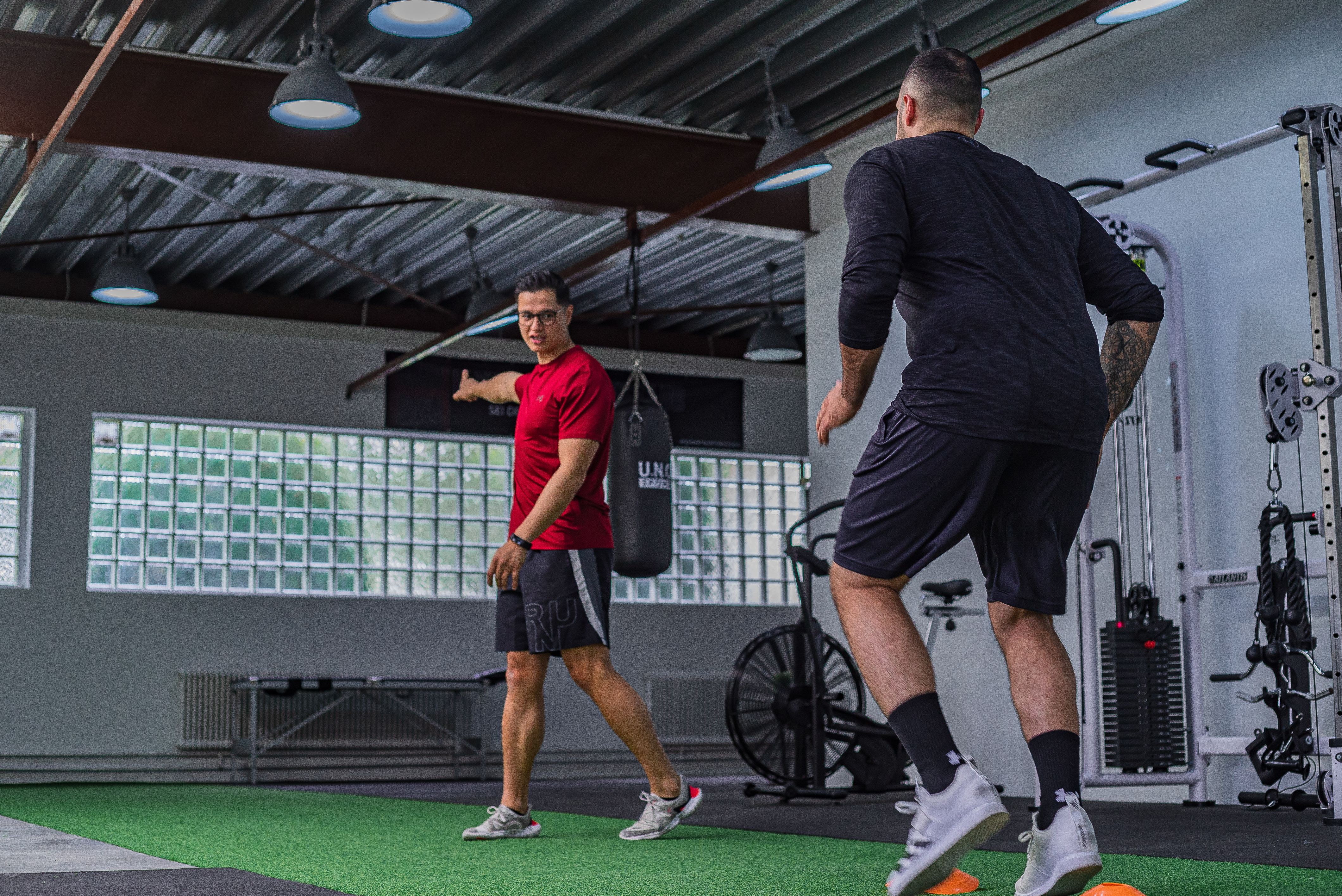
We treat sets, reps, load, tempo, and rest the way a physician treats milligrams. A mid-stage tendon problem might get slow, heavy work twice a week; an irritable post-op knee might start with isometrics it can tolerate today; a deconditioned back gets volume before intensity. The prescription changes week to week based on how your tissue responds — which we know, because the same therapist sees you every visit and retests your numbers.

Sore is not the same as harmed
The biggest myth we un-teach: that pain during exercise means damage. A systematic review of trials comparing painful versus pain-free rehab exercise found that allowing some symptoms during loading did not worsen outcomes — and in the short term slightly favored the groups that pushed into tolerable discomfort.[3] We give every patient explicit traffic-light rules: what's acceptable during a session, what should settle by the next morning, and what means we adjust the dose.
What the research shows
Across the tendinopathy literature, exercise therapy is the backbone intervention — feasible, acceptable, and effective as first-line care.
View study →Outcomes in tendinopathy management track with how resistance exercise is dosed — supporting individualized prescription over generic protocols.
View study →Protocols allowing tolerable pain during rehab exercise performed at least as well as pain-free protocols across randomized trials.
View study →