SPECIALTY

TMJ & Headache Care

The clicking jaw, the clenched mornings, the headache blooming at your temple by 2 pm — they're usually chapters of the same story. We treat the whole story.

AT A GLANCE

The temporomandibular joint works harder than almost any joint you own — thousands of cycles a day of talking, chewing, and (for many of us) clenching. When it's overloaded, pain rarely stays local: jaw, temple, ear, and neck symptoms travel together. Physical therapy treats the system — joint mechanics, overworked muscles, neck involvement, and the habits feeding all three.

You might know it as...

The jaw-neck partnership

Here's the anatomy that explains why jaw problems so often arrive with headaches: sensory nerves from the jaw and the upper neck feed into a shared relay station in the brainstem. Signals mingle there, which is why an irritated neck joint can refer pain to the temple, a jaw trigger point can masquerade as an earache, and forward-head posture can quietly load both systems at once. Treat only the jaw and you often miss half the problem — which is why our TMJ exam always includes the neck, and vice versa.
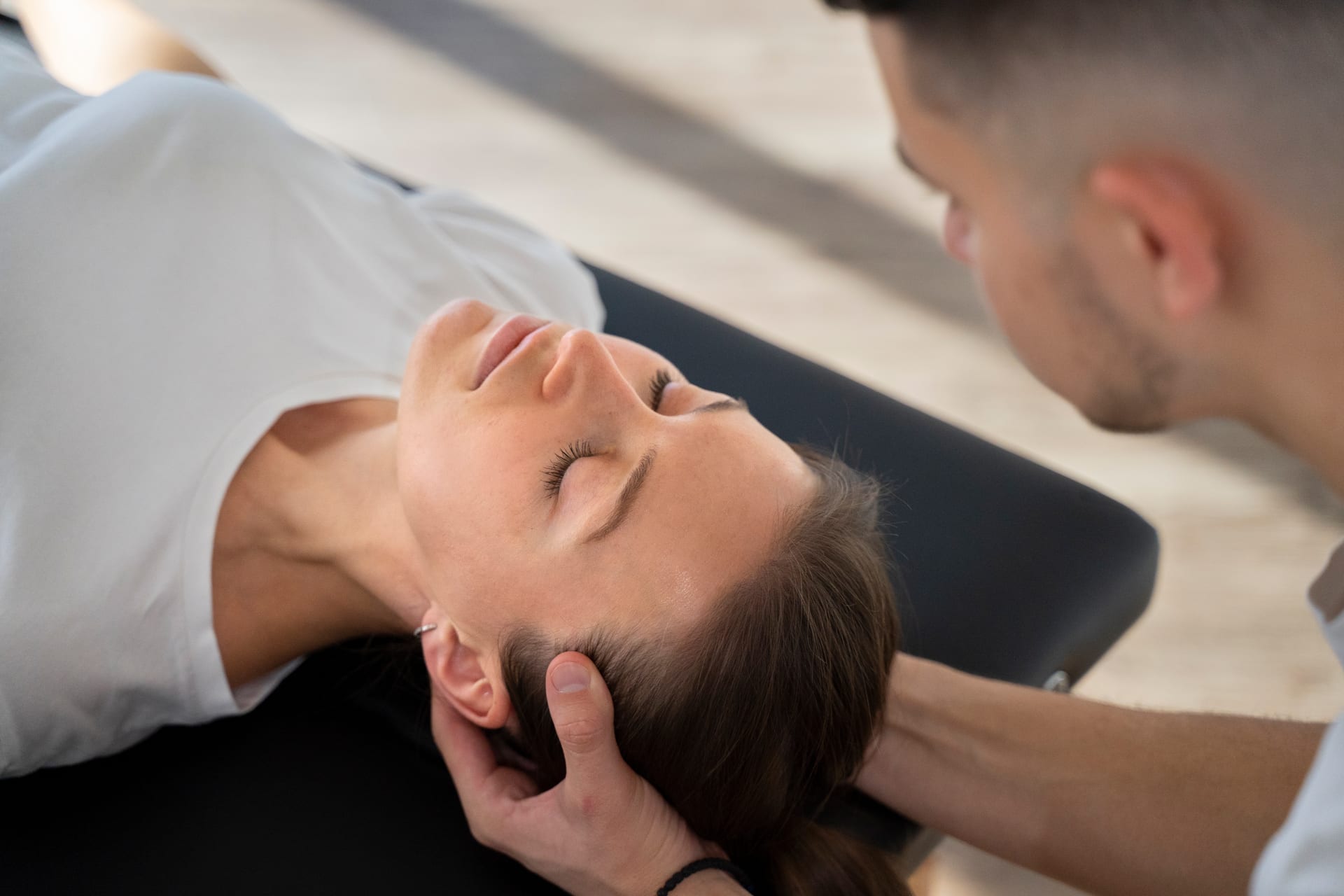
Hands-on treatment of the head and jaw region
Jaw and neck are examined — and treated — as one system.

What treatment involves

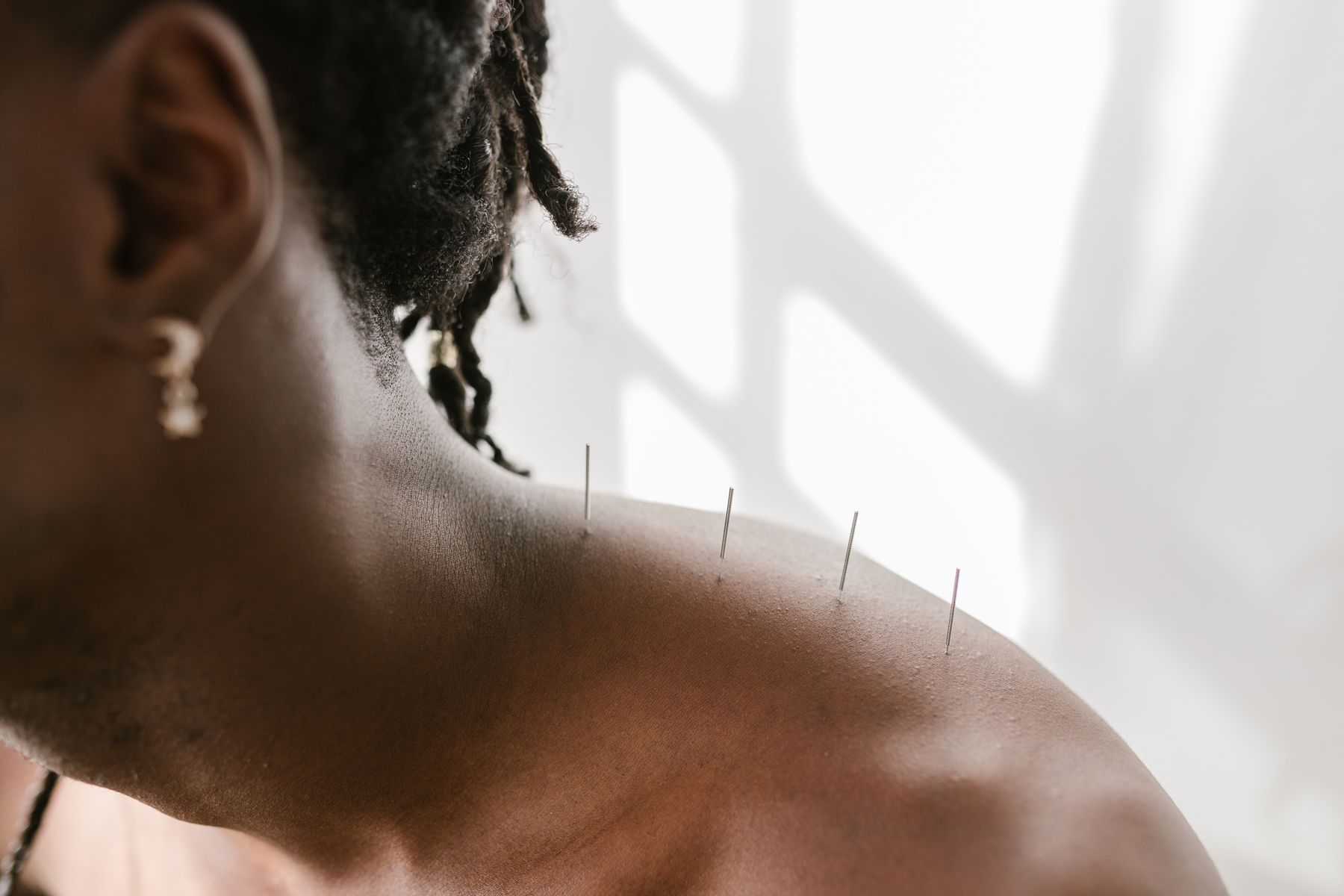
Depending on what your exam shows, care typically blends gentle hands-on work for the jaw joint itself (including intraoral techniques, always explained and always with your consent), treatment of the chewing and neck muscles — trigger point work and dry needling are frequently useful here — mobilization of stiff upper-neck segments, and retraining: jaw posture, tongue position, and the daytime clenching habit that most patients don't realize they have. The exercises are small and precise; the effect compounds.

The research picture

Systematic reviews of temporomandibular disorder consistently support conservative care — manual therapy and exercise — as first-line treatment, improving pain and mouth opening without the risks of irreversible interventions. For neck-driven (cervicogenic) headaches, the same combination is the backbone of evidence-based management.

SYSTEMATIC REVIEW · PHYS THER

Manual therapy and therapeutic exercise improved pain and mouth opening in temporomandibular disorders across randomized trials.

View study →

How we approach it in Post Falls

TMJ care rewards patience and precision — small structures, big nerves, and habits that need coaching. The one-on-one format is built for exactly this.

  • Jaw and neck examined together: we find which structures actually reproduce your pain or headache.
  • Consent-first hands-on care: intraoral techniques are explained before they're offered, never assumed.
  • Habit detective work: clenching, posture, and chewing patterns get identified and retrained.
  • Coordinated with your dentist: when a bite guard or dental workup is part of the answer, we work alongside it.

Often paired with

Patient managing jaw pain
01 — TRACE
Find every driver

Jaw joint, chewing muscles, upper neck, and habits — mapped in one exam.

02 — CALM
Settle the system

Hands-on care for joint and muscle, jaw and neck treated together.

03 — RETRAIN
Change the pattern

Precise exercises and habit coaching so the overload stops rebuilding.

Frequently asked questions

Why would a physical therapist treat my jaw?+
Because the TMJ is a joint — with muscles, a disc, and movement mechanics — and joints with muscles are exactly what physical therapists treat. The jaw responds to the same tools as a shoulder or knee: hands-on joint work, muscle treatment, and retraining. Dentists manage the teeth and bite side; we handle the joint and muscle side, and the two approaches complement each other.
My jaw clicks but doesn't hurt. Should I worry?+
Painless clicking is common and usually benign — it's the joint's disc moving imperfectly, and many people click for decades without trouble. It's worth an evaluation if clicking comes with pain, locking, limited opening, chewing fatigue, or headaches. Those are signs the system is straining, and early treatment is simpler than late treatment.
How do I know if my headaches are coming from my neck or jaw?+
Some clues: headaches that start at the base of the skull or temple, worsen with long desk hours or chewing, sit mostly on one side, or come with jaw fatigue and clenching. The definitive answer comes from the exam — when pressing or moving a specific neck or jaw structure reproduces your exact headache, we've found a treatable driver.
I already have a night guard. What does PT add?+
A night guard protects your teeth from clenching forces — useful, but it doesn't change the muscle overactivity, joint stiffness, or neck involvement driving the symptoms. Physical therapy treats those directly. The combination of dental management and PT typically outperforms either alone.
ONE PATIENT, ONE HOUR, ONE FOCUS

Tired of headaches running your afternoons?

Jaw and neck care in one plan — no referral needed in Idaho.

Ryan Zumwalt
DPT · DOCTOR OF PHYSICAL THERAPY

Ryan Zumwalt, DPT practices at Post Falls Physical Therapy in Post Falls, Idaho, where every session is one-on-one with the same Doctor of Physical Therapy.

SOURCES

  1. Armijo-Olivo S, et al. Effectiveness of Manual Therapy and Therapeutic Exercise for Temporomandibular Disorders: Systematic Review and Meta-Analysis. Phys Ther, 2016. ncbi.nlm.nih.gov
  2. Direct Access Laws by State. WebPT. webpt.com